Nature Observation Ideas
- Storm

- May 9
- 3 min read

Ever go outside, hear the beautiful birds singing, and think, “I wish I could capture these sounds!”
Or do you ever see something beautiful and wish you could capture it somehow? Nature observations can be quick and simple or long and in depth, and I’m here to give you some ideas!
Let’s start with Sound Mapping: I got this idea from the following website:
Check this link out; it is super cool.
Basically, you ‘map’ every sound you hear as you hear it, and try to show what direction it came from. Make sure you write the date, location, and time if possible.
Next, we have color mapping:
This is something I came up with. Start by marking a simple square (or area) somewhere on the ground. Use paracord, sticks, or rocks. Then, on your paper, draw the shape of the area and ‘map’ the colors and where they are. You can include a key, symbols, or simply words/descriptions. You can make it as detailed or simple as you want, and as long or short as you have time for. Also, don't forget to write the date, location, and time. (if possible)
For example, let’s say your ground looks like this:

Then, your color map might look something like this:

This is a very simple and messy map, but enough to show what the ground looks like. You could use colors and illustrations to make a more detailed and interesting map. A key for this map could be made in many different ways, and I'll show an example of two ways, a simple one, and a more complex one:
KEY:
Clover Green: |  |
Grass Green: |  |
Dirt Brown: |  |
Dry Grass Tan: |  |
Dry Leaf Brown: | 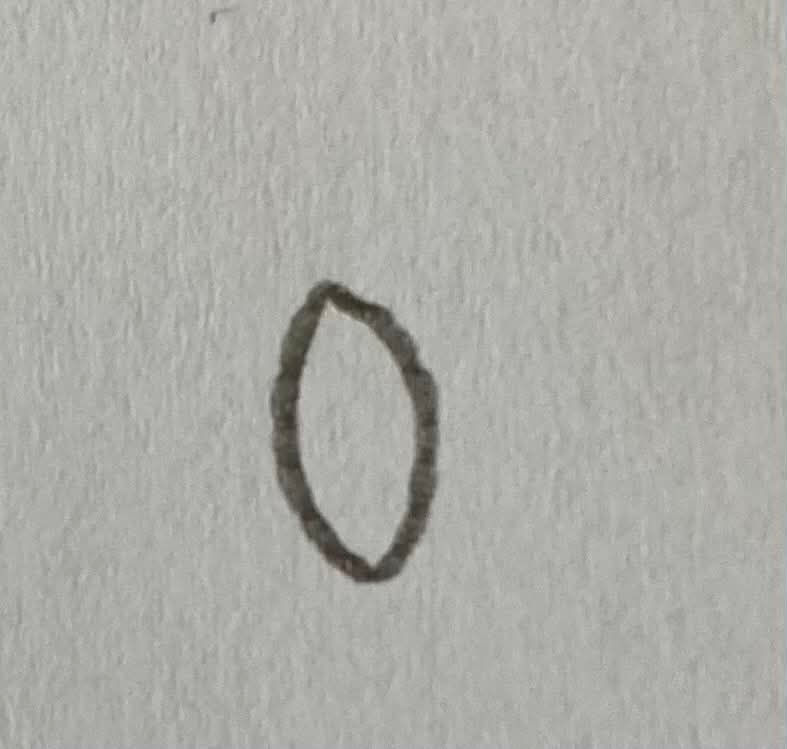 |
In this simple key, the color descriptions are based off of items that we know, meaning we can easily think of the colors. Each color is represented by a symbol in the map.
KEY:
Color | Color Description | Color Symbol |
| Medium Clover Green |  |
| Dark Grass Green | 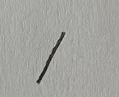 |
| Earthy Dirt Brown | 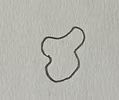 |
| Light Dry Tan | 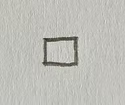 |
| Rusty Leaf Red |  |
This key, however, has more detail and allows you to visualize the color in the map a bit easier. The descriptions can be long or short, depending on your preferences.
Lastly, try Birdwatching:
Start by getting a notebook. Draw simple pictures of the bird you are observing, and write notes about where it is, if it is alone or with others, what it is doing, and what it sounds like. (When doing this, try to draw the sound. This is shown in the example table) Describe its appearance as well, and if possible, say what species it is. This doesn't have to be detailed! Do what you have time for! A collection of short and simple bird observations is also cool and interesting!
If you are not sure where to start, try this:
Every time you see a bird you want to observe, draw a simple diagram like this:
Appearance | |
Location | |
Behaviour | |
Sound | |
Alone? | |
Notes |
Then, fill it in! (I'm filling this one in while observing the bird in the following video:)
Appearance | patterned tan back, bright yellow breast, black marking on chest, black head markings, gray and black beak  |
Location | on a fencepost in the field |
Behaviour | singing, looking around |
Sound |  |
Alone? | alone |
Notes | I love how beautiful the bird is, as well as the song |
I hope you enjoyed this post about observing nature, and let me know in the Let's Chat section if you would enjoy more posts like this!